
Big Fat Indian Wedding: the What and the How
Your Wedding Day is your big day which often ends up being the grand finale of the lengthy celebrations which start from deciding your Indian wedding card, guest list, wedding venue, and wedding events. In India however, this is a larger than life family affair, it is celebrated like a festival with its own set of exuberant events.
For many of us, the idea of having a single day wedding somehow feels a bit cut and dry to many of us. Leading up to the main event, an ambiance needs to be set, to get the party mood going-there are a number of pre wedding functions. In India, across communities, we usually have the Roka, Ring Ceremony, or the formal Engagement, Sagan, Mehendi & Sangeet. Having a penchant for being festive, the western concept of a Bachelor Party for the Groom or a Bachelorette for the Bride has been happily adopted over time.
Roka is usually a relatively small gathering formalising the coming together of the groom and bride. It’s quite like the engagement in western cultures, but unlike the west, it’s not limited to an intimate moment solely between the couple but rather a ‘’family affair’’- families and relatives are active participants.
The Ring Ceremony is a bigger party that includes close friends and extended family members from both sides. In a way, it’s an extension of the Roka because “party toh banti hai bhai”. While the Roka can be at home, if the space permits, the Ring ceremony usually requires a larger venue which at times includes music and dance.
The Engagement is either substituted by the Ring Ceremony or is celebrated separately. For those who want more, the engagement gives another opportunity for a larger celebration with family and friends.
The Sagan or the Sagai is a major function where families exchange gifts. Nowadays in more progressive families, the exchanging of gifts is kept to a minimum, unlike the yesteryears. It’s usually a quieter affair with some religious rituals but again the fun and frolic continue.
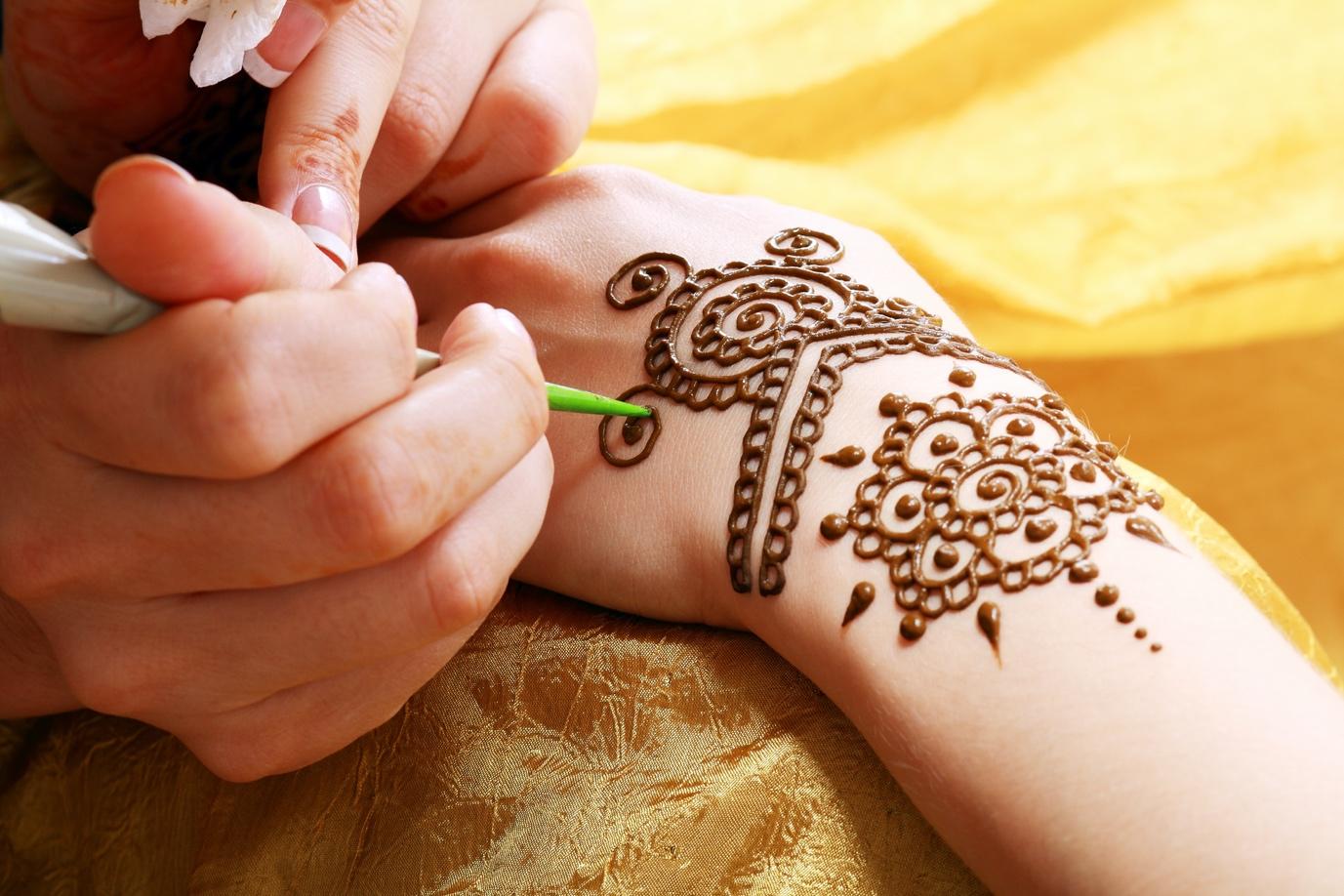
The Mehendi or the Henna Ceremony is when the really colourful festivities come to life. The ladies dress up have henna in intricate designs inscribed on the palm of their hands, however, in more modern times these are donned as tattoos on other areas aside from hands and arms. This is deemed a very merry occasion characterised by music and dance.
Wait, the fun doesn’t end yet…
The Wedding is the next and usually the last function. India is a land of diversity and therein lies its beauty. The Wedding is a religious ceremony and varies from community to community. Solemnised around the sacred fire and accompanied by the chanting of the holy mantras, the bride and the groom are tied in the eternal bond of love and commitment, to live dutifully and happily ever after. It has its own set of rituals depending on the religion and the community, usually followed by lunch or dinner depending on the time of the day. Although with some more traditional pandits the ceremony may become overextended. Nowadays, everyone understands the value of time so there is no harm in being a bit friendly with the pandit to keep things short and sweet.
What about the Reception?
The party once begun should not end in a hurry. In many cases, the post Wedding Reception is the grand conclusion to the long celebrations. Usually, the reception is hosted by the groom’s family after the wedding to share the occasion with all those guests who could not be included in the baraat. This becomes even more relevant if it is a destination wedding because all those unable to attend can meet and bless the newlyweds. However, with the concept of joint celebrations becoming a popular trend- there is a trend towards a small, close-knit wedding with close friends and family followed by a big reception, including all those who would have expected your invitation.
It’s all good but do you have the time
Now that we know all that a Big Fat Indian Wedding can include, it’s time to get a bit practical because all these celebrations can be a lot of fun but can get very hectic for both the family and their guests alike. To enjoy the fun without the fatigue, it’s not a bad idea to merge some of the events together to wrap up everything within a couple of days. Come to think of it, many of the events are actually quite easy to merge together into one, like the Roka, the Ring Ceremony, and the Sagan. Similarly, the Mehendi and Sangeet go well together and can seamlessly blend into one another. Nowadays, with the much emphasis and importance paid to how one spends their time, elaborate celebrations spread over days maybe definitely impressive, but intimate-well planned events which are shared with the guest via Indian ewedding cards are definitely equally fun, if not more.


